
Polymer80 Troubleshooting Guide
Polymer80 Troubleshooting Guide: Fixing Common Issues With Polymer80-Compatible Pistols
Introduction
Polymer-frame pistol platforms have become widely discussed among firearm enthusiasts due to their modular design and compatibility with many Glock-pattern components. Frames produced by Polymer80 were particularly popular because they allowed users to assemble and customize pistol platforms using commonly available components associated with models like the Glock 19 and Glock 17.
However, like many mechanical systems, pistols assembled from multiple components can sometimes experience operational issues. These issues may include cycling problems, trigger reset issues, feeding problems, or ejection failures.
Understanding how these problems occur and how they are commonly diagnosed can help firearm owners better understand the mechanics of their pistol platform.
In this complete troubleshooting guide, we will cover:
• common cycling problems
• trigger reset issues
• feeding and extraction problems
• slide alignment issues
• maintenance-related malfunctions
If you are new to Polymer80 platforms, you may want to start with the basics first.
⸻
Understanding How Polymer80-Compatible Pistols Work, Polymer80 Troubleshooting Guide
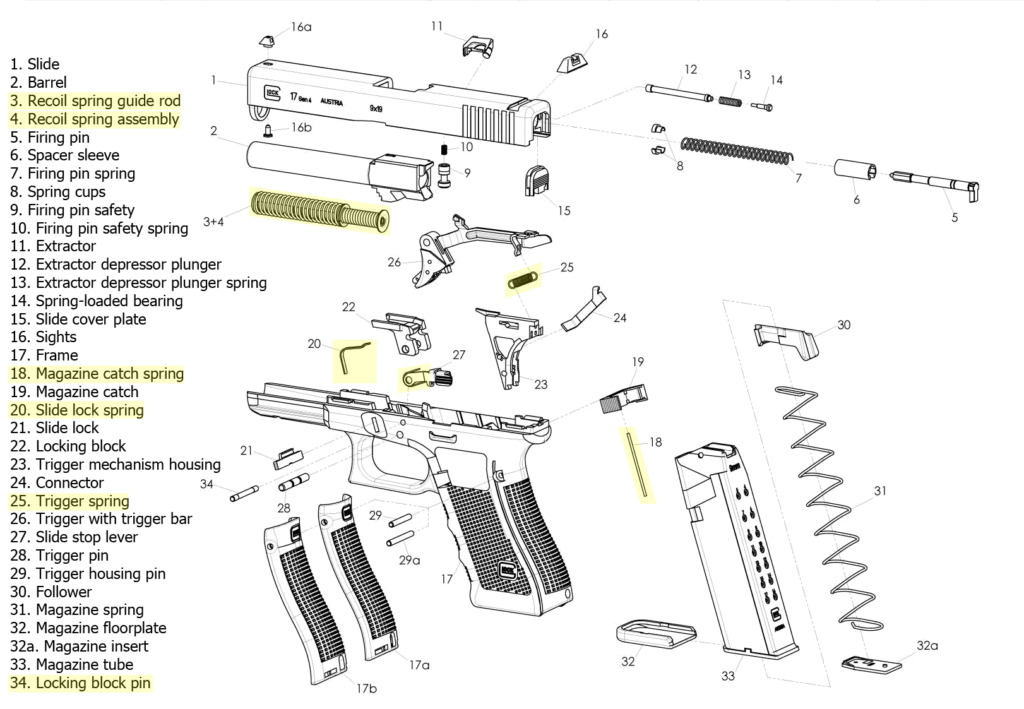
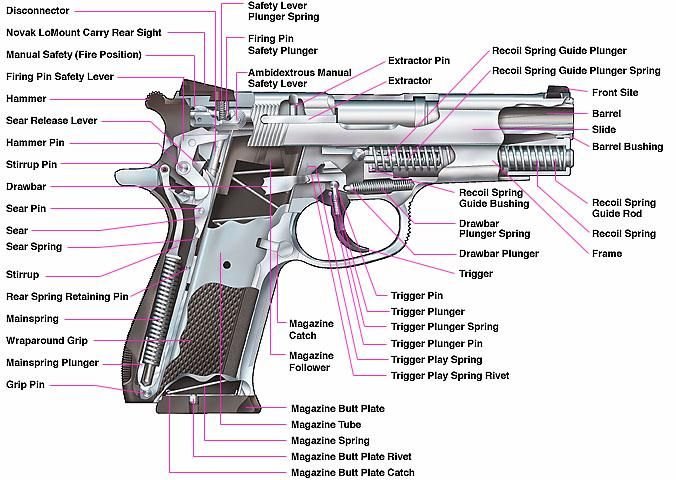
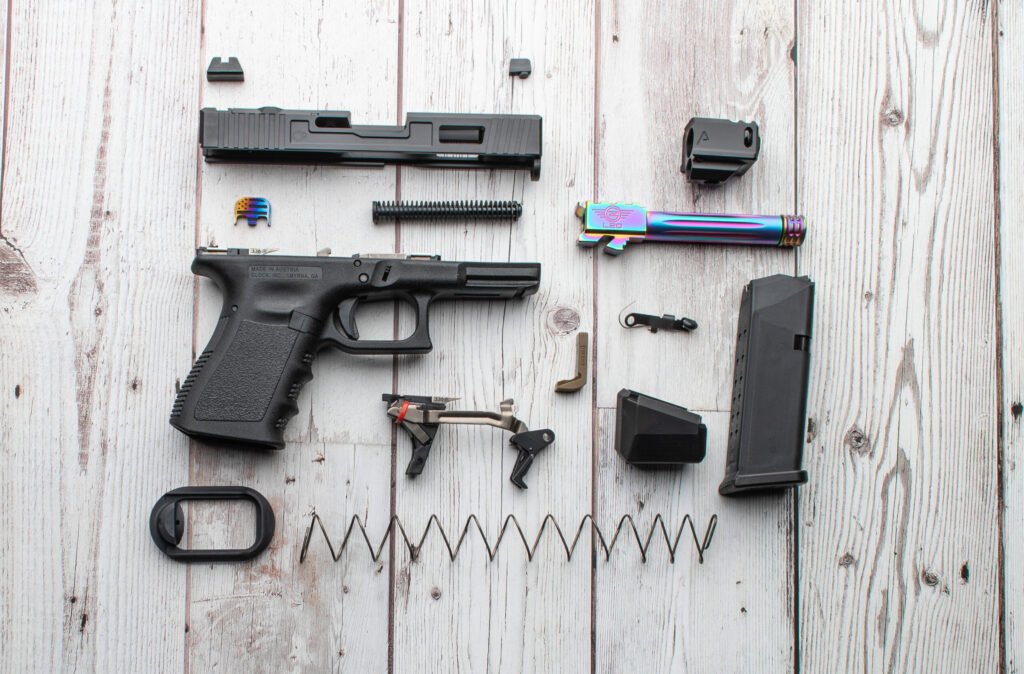
Before troubleshooting problems, it helps to understand how the major components of a pistol platform interact.
Most polymer-frame pistols consist of three main assemblies:
1. frame assembly
2. slide assembly
3. barrel and recoil system
These assemblies work together to perform several mechanical actions during firing:
• chambering a round
• firing the round
• extracting the spent casing
• ejecting the casing
• loading the next round
If any component within these systems becomes misaligned or worn, operational problems may occur.
⸻
Common Slide Cycling Problems
One of the most frequently discussed issues in pistol troubleshooting involves slide cycling problems.
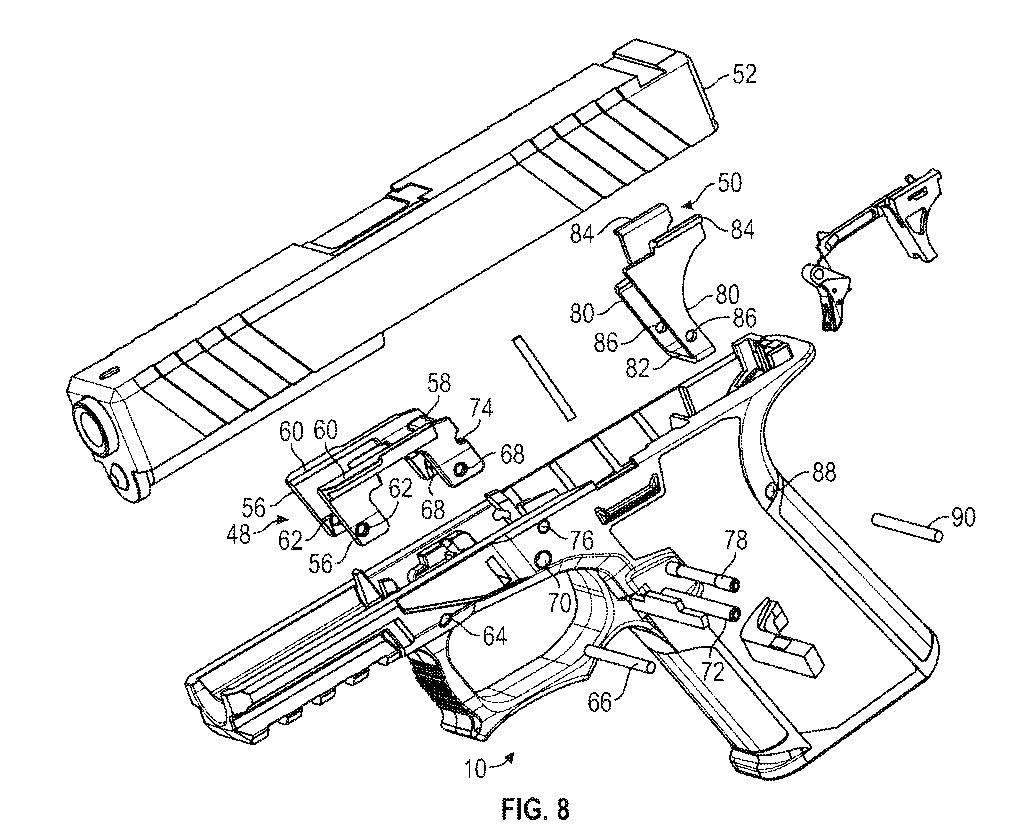
The slide must move smoothly along the frame rails to properly cycle during firing.
Common symptoms
Slide cycling problems may include:
• slide not moving freely
• slide failing to return fully forward
• sluggish slide movement
These issues can occur when there is friction between the slide and frame rails.
⸻
Possible Causes, Polymer80 Troubleshooting Guide
Several factors may contribute to cycling issues:
• rail alignment problems
• excessive friction between slide and frame
• improper recoil spring tension
• debris or fouling inside the slide assembly
Understanding these factors helps diagnose the root cause of the issue.
⸻
Trigger Reset Problems, Polymer80 Troubleshooting Guide
Trigger reset issues are another commonly discussed problem among pistol owners.
The trigger reset is the point at which the trigger mechanism re-engages after firing.
Common symptoms
Some typical signs of trigger reset problems include:
• trigger failing to reset after firing
• inconsistent trigger reset
• unusually heavy trigger pull
These issues may involve components within the trigger system.
⸻
Components Involved in Trigger Reset, Polymer80 Troubleshooting Guide
Several parts play a role in the trigger reset mechanism:
• trigger bar
• connector
• trigger spring
• striker assembly
When these components are not functioning properly, the trigger reset may become inconsistent.
⸻
Feeding Problems, Polymer80 Troubleshooting Guide
Feeding issues occur when the pistol fails to properly chamber the next round from the magazine.
Common symptoms
Feeding problems may include:
• rounds failing to chamber
• cartridges getting stuck on the feed ramp
• slide stopping halfway forward
These problems may involve the magazine or feed ramp.
⸻
Magazine Issues, Polymer80 Troubleshooting Guide
Magazines play a critical role in feeding ammunition into the chamber.
Common magazine-related problems include:
• weak magazine springs
• damaged followers
• worn magazine bodies
Magazines designed for platforms such as the Glock 19 or Glock 17 are often discussed in connection with Polymer80-compatible systems.
⸻
Extraction and Ejection Problems, Polymer80 Troubleshooting Guide
Extraction and ejection are essential steps in the firing cycle.
After a round is fired, the pistol must extract the spent casing and eject it from the chamber.
Common symptoms, Polymer80 Troubleshooting Guide
Extraction problems may include:
• spent casing remaining in the chamber
• weak or inconsistent ejection
• casing getting stuck in the slide
These problems may involve the extractor or ejector components.
⸻
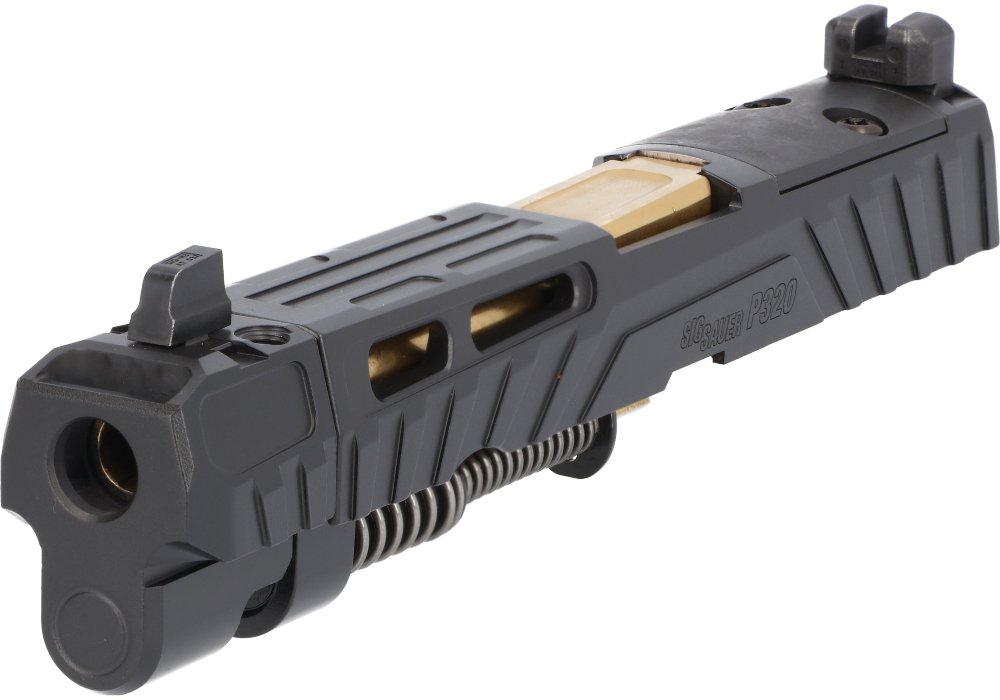
Recoil System Problems, Polymer80 Troubleshooting Guide
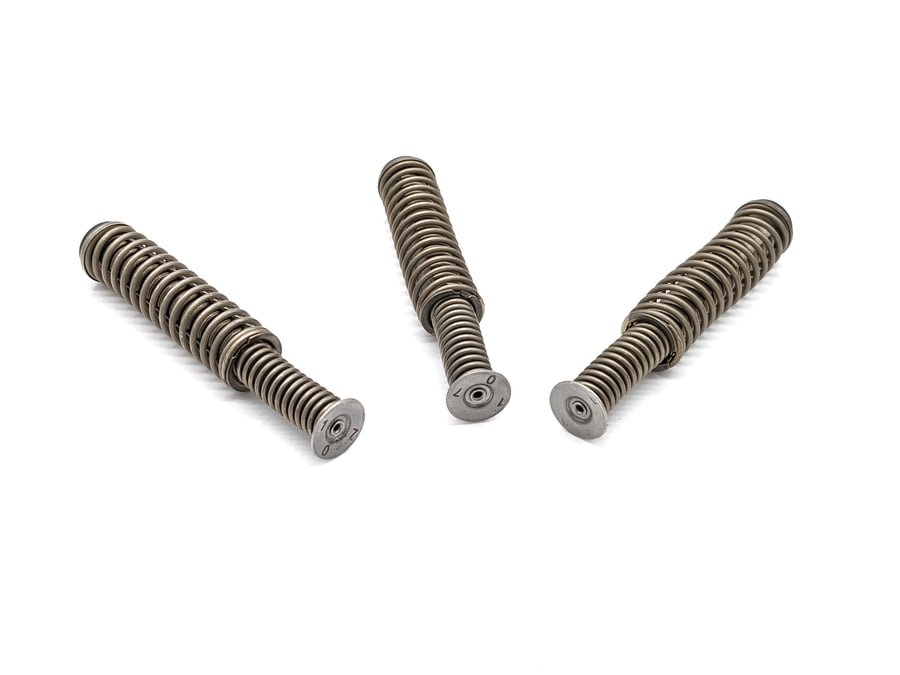
The recoil spring assembly plays a crucial role in controlling slide movement.
Components in this system include:
• recoil spring
• guide rod
• spring retainer
If the recoil spring is too weak or too strong, the slide may not cycle properly.
⸻
Slide Alignment Issues, Polymer80 Troubleshooting Guide
Proper alignment between the slide and frame rails is essential for smooth operation.
Misalignment can cause:
• increased friction
• inconsistent slide movement
• premature wear on components
Rail alignment is particularly important when assembling pistol frames.
⸻
Maintenance-Related Problems
Many pistol malfunctions are caused by lack of maintenance.
Regular cleaning and inspection help prevent operational problems.
Key maintenance practices
Proper maintenance may include:
• cleaning the barrel
• inspecting springs
• checking the extractor
• lubricating moving parts
Routine maintenance can help ensure consistent performance.
⸻
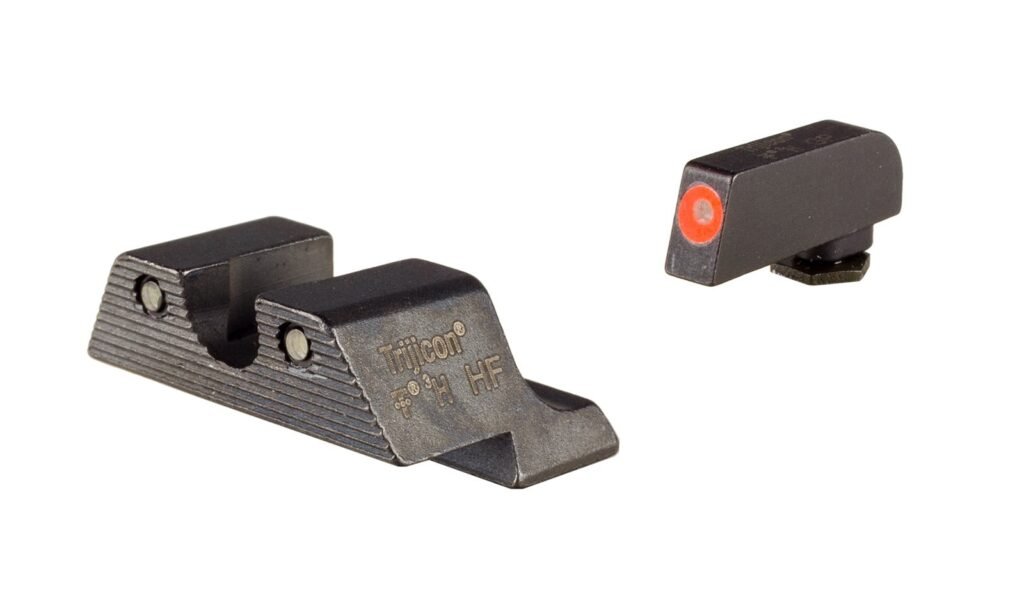
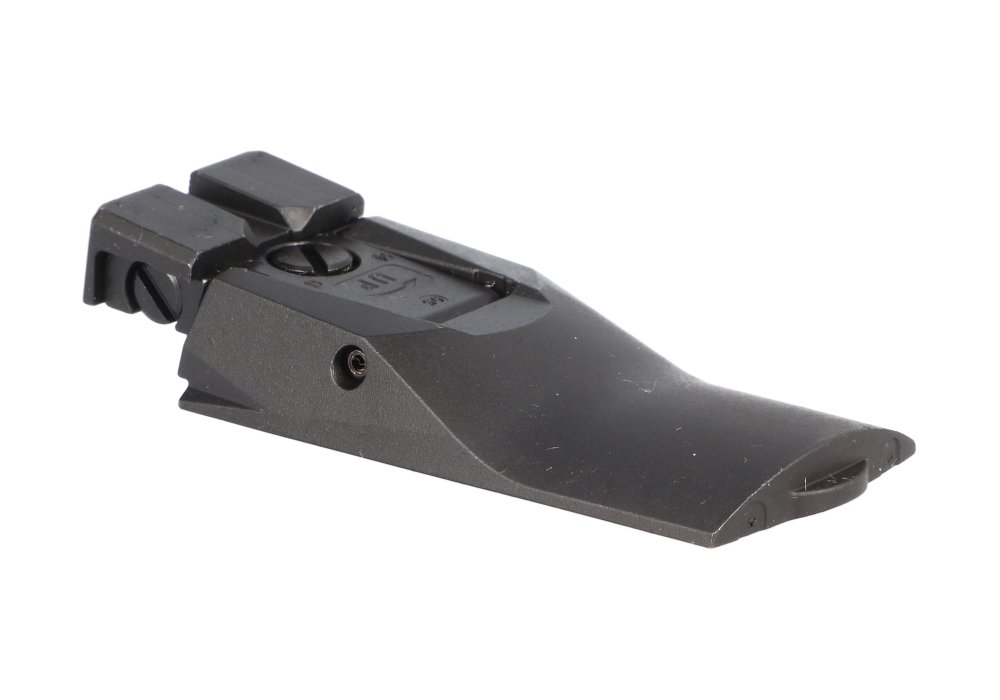
Optic and Sight Issues
Modern pistol platforms often support optic-mounted slides.
Problems may occur if optics are not properly mounted or secured.
Common optic-related issues
Possible problems include:
• optic loosening during use
• improper mounting plate alignment
• incorrect screw torque
These issues can affect accuracy and reliability.
⸻
Accessory Compatibility Issues
Some pistol frames include accessory rails for mounting devices such as lights.
Compatibility issues may occur when accessories do not properly fit the rail system.
Ensuring compatibility with the rail design helps avoid these issues.
⸻
Preventing Future Problems
The best way to avoid mechanical issues is through proper maintenance and responsible use.
Important steps include:
• regular cleaning
• periodic inspection of springs
• verifying component compatibility
• replacing worn parts
These practices help maintain reliable operation over time.
⸻
Frequently Asked Questions
Why does my slide feel stiff?
This may occur due to friction between the slide and frame rails or lack of lubrication.
⸻
Why is my trigger not resetting?
Trigger reset problems may involve the trigger spring, connector, or striker system.
⸻
Can magazines cause feeding problems?
Yes. Weak magazine springs or damaged followers may lead to feeding issues.
Magazines associated with pistols like the Glock 19 and Glock 17 are commonly discussed with Polymer80-compatible systems.
⸻
Final Thoughts
Polymer80-compatible pistol systems are complex mechanical platforms composed of many interacting components.
Understanding how these parts function together helps firearm owners identify and diagnose potential issues.
From slide cycling problems to trigger reset issues and feeding malfunctions, most problems can be traced to specific components within the pistol platform.
By learning how these systems work and practicing proper maintenance, users can ensure reliable and safe operation of their firearm platforms.
🔗 Polymer80 Frame Guide
🔗 Polymer80 vs Glock Comparison
🔗 Polymer80 Parts List Guide
